Collagen is a crucial protein found in the human body, making up most of our muscles, fat, and ligaments. It plays a vital role in keeping bones strong and connecting various parts of the body. When collagen levels are optimal, the skin looks youthful and firm.
Elastin, another protein, helps skin and organs maintain their shape by stretching and snapping back, especially in areas like the lungs. Together, collagen and elastin work to make skin stronger and more youthful.
1. Aloe Vera: A Natural Collagen Booster
Aloe vera is well-known for its healing properties, especially when used on burns. It enhances collagen production both topically and when ingested. Aloe vera applied directly to the skin can promote collagen synthesis, helping wounds heal faster.
Taking aloe vera supplements may also improve facial skin appearance by stimulating collagen production, according to research. For maximum benefit, use pure aloe or skincare products containing aloe vera.
2. Foods Rich in Vitamin C
Vitamin C is essential for producing hyaluronic acid, which aids in collagen synthesis and helps maintain joint health. A deficiency in vitamin C can slow down collagen production, leading to weaker skin.
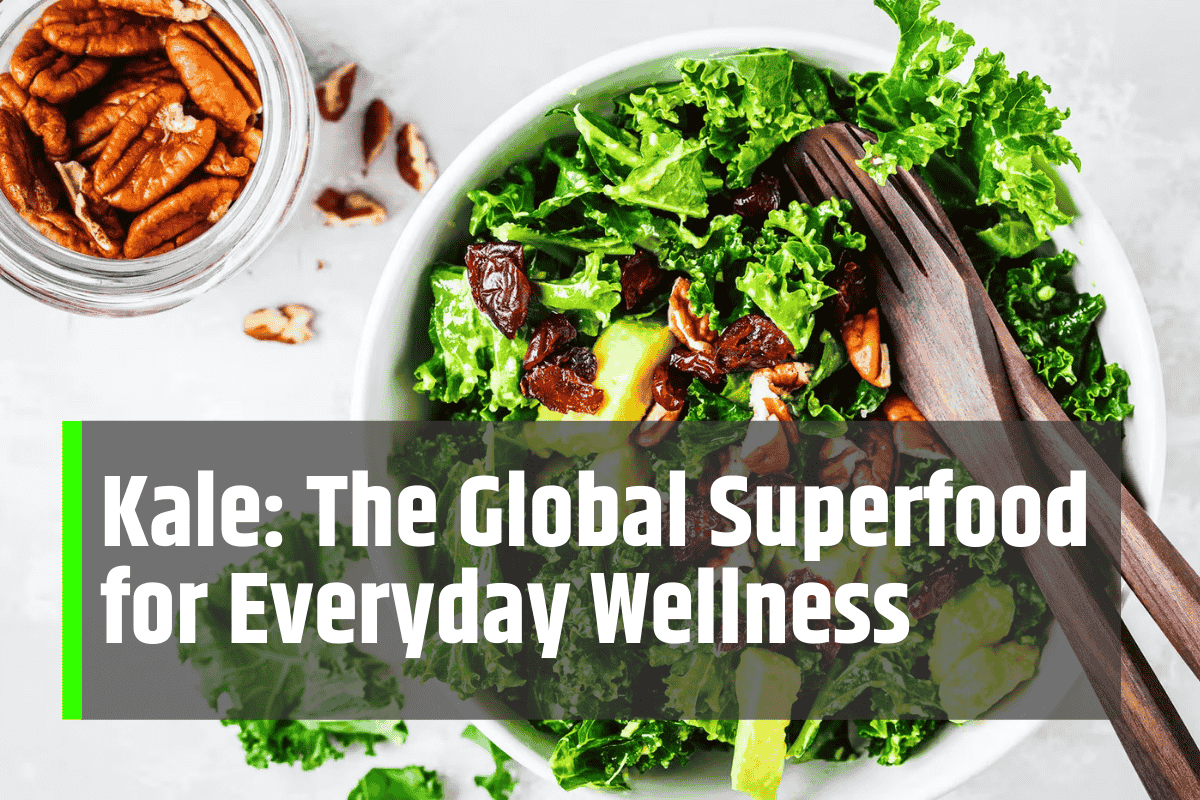
Consuming foods high in vitamin C, such as oranges, red peppers, broccoli, kale, Brussels sprouts, and grapes, can help support collagen production.
These foods not only help the body produce more collagen but also improve the skin’s elasticity and hydration. To boost collagen, include vitamin C-rich foods in your diet and consider supplements like concentrated hyaluronic acid.
3. Ginger and Ginseng for Skin Protection
Panax ginseng has been studied for its ability to slow aging and promote collagen production. It is often used in skincare without causing harmful side effects like some chemical drugs. Ginseng has shown promising results in protecting skin from UVB damage and maintaining skin structure.
Antioxidants in ginseng supplements or ginseng tea can help protect skin cells, promoting a healthy, glowing complexion. Adding ginseng to your daily routine may support collagen production and skin health.
4. Cilantro: A Natural Source of Vitamin C
Cilantro (or coriander leaf) is a flavorful herb rich in vitamin C, which has been linked to collagen production. In addition to vitamin C, cilantro contains linolenic acid, which fights oxidative stress by neutralizing free radicals in the blood.
This antioxidant action helps prevent premature aging and supports the skin’s health. Consuming cilantro or cilantro juice regularly can provide these skin-protecting benefits, making it a simple and natural way to enhance collagen production.
5. Algae: Protecting Collagen from Oxidation
Marine plant extracts, particularly algae, are increasingly used in beauty products due to their powerful antioxidant properties. Oxidation caused by pollution and environmental stress can damage collagen and elastin, leading to premature aging.
Algae has been shown to protect skin from these harmful effects, preserving collagen and skin flexibility. You can find algae supplements in health food stores, which can be taken orally to help protect your skin from oxidative damage and support collagen health.
Things to Avoid for Healthy Skin
To maintain healthy, youthful skin, it’s crucial to avoid excessive sun exposure and tanning beds. The UV rays can accelerate collagen breakdown, leading to premature skin aging.
Smoking is another factor that contributes to faster aging and reduced collagen production. To protect your skin’s glow, always wear sunscreen when outdoors and avoid smoking.
Be Cautious with Collagen Supplements
While collagen supplements can offer benefits, they may have side effects. Common issues include excess calcium, allergic reactions, or joint pain. If you’re allergic to fish or meat, it’s important to be cautious with collagen supplements derived from these sources.
Always consult with a healthcare professional before introducing new supplements into your routine.
FAQs
What is Collagen?
Collagen is a protein found in the body that helps with skin elasticity, joint health, and overall strength. It makes up most of the muscles, fat, and ligaments and is crucial for keeping the body together.
What are the benefits of the HPV vaccine?
The HPV vaccine helps prevent infections caused by the human papillomavirus, which can lead to several types of cancer, including cervical and throat cancers. It is effective in reducing the risk of these cancers.
How can I naturally boost collagen production?
You can naturally boost collagen production by consuming foods rich in vitamin C, taking supplements like ginseng, aloe vera, and eating foods like bone broth and fish that contain collagen-building amino acids.
What is the right age to get the HPV vaccine?
The ideal age to get the HPV vaccine is between 11 and 12 years old. However, it can be administered to individuals up to 26 years of age for maximum effectiveness in preventing HPV-related cancers.
How many doses are required for the HPV vaccine?
The HPV vaccine is typically given in a series of two doses for individuals starting the vaccination before their 15th birthday. Those starting at 15 or older will need three doses for full protection.