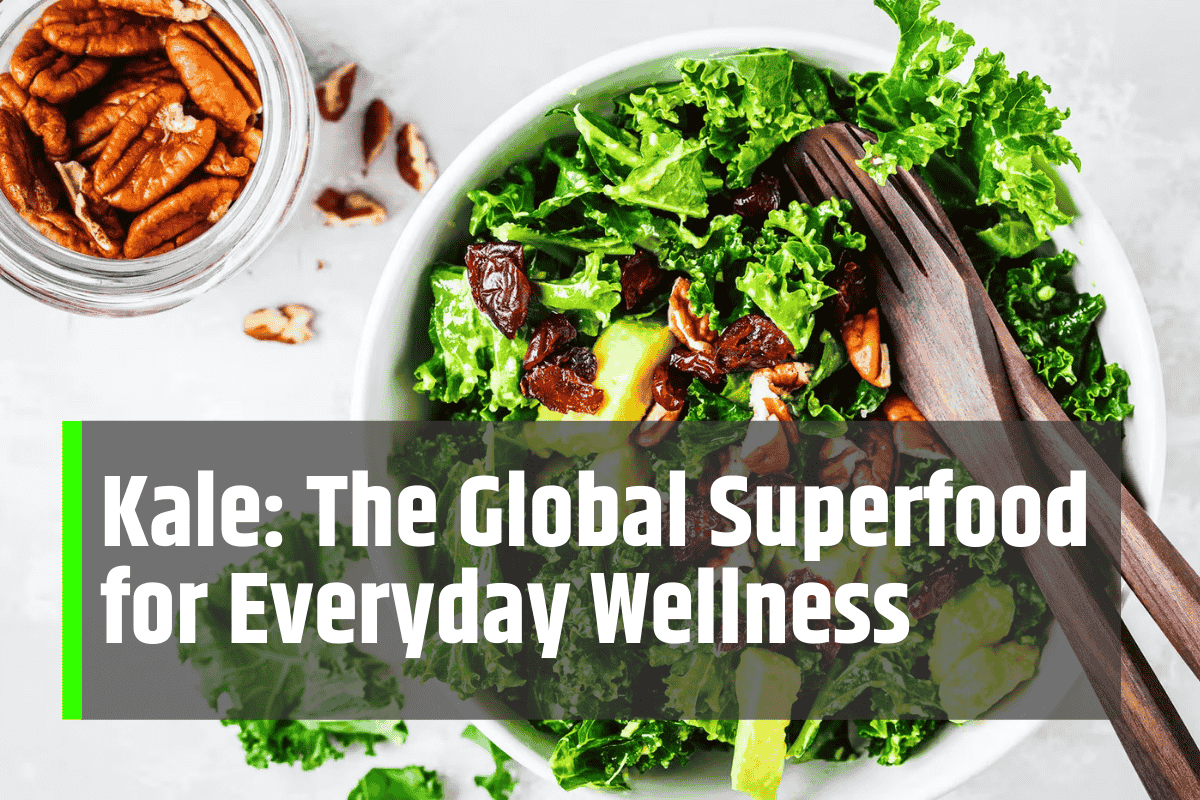
Kale has become a household name in kitchens and restaurants across the globe. Once a staple of Mediterranean diets, this leafy green now dominates farmers’ markets from Portland to Brooklyn and is celebrated by nutritionists in cities like Los Angeles, London, and Sydney.
Packed with vitamins, minerals, and antioxidants, kale has earned its place as a true superfood.
Nutrient Density in Every Bite
Few foods can rival kale’s nutritional profile. A single cup of raw kale delivers high amounts of vitamins A, K, and C, along with manganese. In busy cities such as New York, where hectic routines often lead to nutrient gaps, kale offers an easy fix.
Low in calories yet rich in nutrients, it supports balanced diets for health-conscious professionals and families alike.
Strengthens the Immune System
Kale contains more vitamin C than spinach, making it a natural ally for immune health. In colder cities like Chicago, residents often rely on kale soups and stews to fend off winter colds and flu.
Its antioxidants also reduce oxidative stress, giving the immune system greater resilience over time.
Supports Heart Health
Cardiovascular disease remains one of the leading global health concerns. Research, including studies in Seoul, shows that kale juice can lower LDL cholesterol while boosting HDL.
In Toronto, where public health campaigns stress diet and lifestyle, kale is widely recommended for maintaining strong cardiovascular health.
Improves Bone Strength
Kale is among the best natural sources of vitamin K, a nutrient vital for bone density. In aging societies like Tokyo, where osteoporosis prevention is a public priority, kale is often featured in supplements and traditional meals. Adding kale to stir-fries or steamed dishes helps reduce fracture risks and supports long-term skeletal strength.
Aids in Weight Management
For those managing their weight, kale offers both satiety and nutrition. It is low in calories yet high in fiber, making it a staple in detox juices and fitness-focused meals from Miami to Dubai. By promoting fullness and aiding digestion, kale plays a crucial role in sustainable weight management.
Promotes Eye Health
Kale’s high levels of lutein and zeaxanthin protect against age-related eye conditions, such as macular degeneration. In tech-driven hubs like San Francisco, where screen time is high, these antioxidants help reduce eye strain and safeguard long-term vision.
Reduces Risk of Chronic Disease
Kale contains sulforaphane, a compound with promising cancer-fighting potential. Hospitals and clinics in London frequently recommend cruciferous vegetables, including kale, as part of preventive diets against cancer and diabetes. Its anti-inflammatory properties further reduce the risk of chronic illnesses worldwide.
Culinary Versatility
Kale’s appeal extends beyond health to the kitchen. In Los Angeles, kale chips remain a favorite snack. In Paris, chefs craft gourmet salads with kale as the star ingredient.
Smoothie bars in Melbourne pair it with tropical fruits, while Barcelona kitchens sauté it with garlic and olive oil. From pasta to pizza, soups to juices, kale adapts seamlessly across cuisines.
Kale is more than a dietary trend—it is a nutritional powerhouse that supports immunity, heart health, bone strength, and more.
Its versatility makes it easy to incorporate into meals, whether you’re blending a smoothie in Copenhagen, preparing salads in London, or enjoying crispy kale chips in Los Angeles. By making kale a regular part of your diet, you are investing in both flavor and long-term wellness.