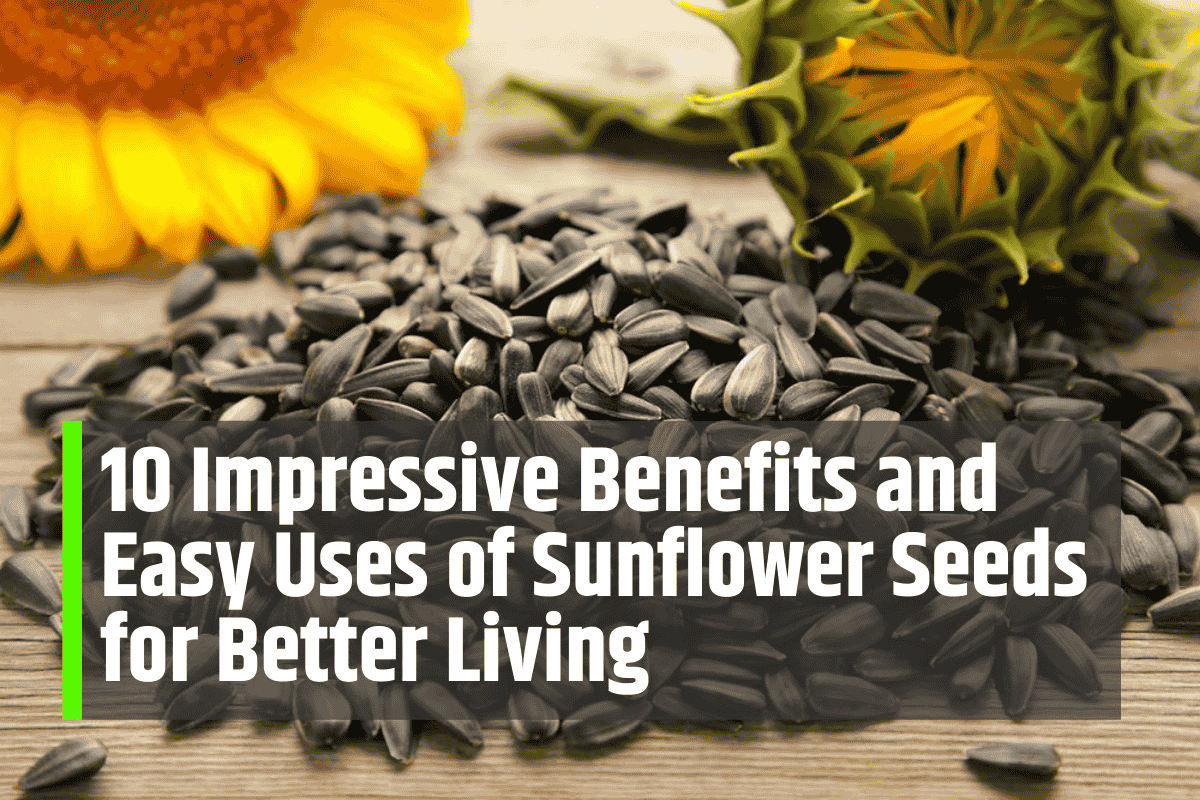
Sunflower seeds have been cherished worldwide for centuries. From smoothie bowls in New York cafés to roasted snacks in Delhi’s markets, they are part of daily routines across cultures. Beyond their taste, these seeds are nutrient-packed, offering a convenient way to support health, energy, and overall well-being.
1. Rich in Essential Nutrients
A handful of sunflower seeds delivers vitamin E, selenium, magnesium, and protein. Just one serving can meet half the daily vitamin E requirement, supporting immune defense and cell protection. Surveys in Chicago show widespread magnesium deficiencies, highlighting sunflower seeds as an easy solution for closing nutritional gaps naturally.
2. Boosting Heart Health
Cardiologists emphasize the importance of healthy fats in reducing heart disease risk. Sunflower seeds contain unsaturated fats and phytosterols, which lower LDL cholesterol and improve circulation. In global hubs like Tokyo and Los Angeles, where heart conditions are rising, these seeds are becoming an increasingly popular preventive food choice.
3. Supporting Healthy Skin
Vitamin E in sunflower seeds acts as a powerful antioxidant, fighting oxidative stress and delaying visible signs of aging. In Paris and Seoul, sunflower oil is often included in skincare routines. Nutritionists confirm that antioxidant-rich foods, like sunflower seeds, can work as effectively as topical creams in promoting radiant skin.
4. Aiding Weight Management
Fitness experts often recommend sunflower seeds as a smart snack alternative. Their protein and fiber support satiety and stabilize blood sugar, reducing cravings. Research shows that replacing processed snacks with roasted seeds can lower daily calorie intake by nearly 200. In gyms from Dubai to Toronto, they’re a go-to choice.
5. Strengthening Bones and Muscles
Magnesium and phosphorus are essential for bone density and muscle function, both abundant in sunflower seeds. In aging cities like Berlin and San Francisco, where osteoporosis cases are rising, health professionals encourage incorporating seeds into diets as a preventive step against bone loss and muscle weakness.
6. Supporting Mental Well-Being
Sunflower seeds contain tryptophan, an amino acid that aids serotonin production, often referred to as the “happy hormone.” In urban centers like New York and New Delhi, where stress and anxiety are common, sunflower seeds provide a natural way to elevate mood and promote emotional balance.
7. Strengthening Immunity
The combination of selenium and zinc in sunflower seeds supports immune resilience. With the global focus on immunity after recent health crises, these seeds have become a household staple. In Sydney and Johannesburg, families are turning to sunflower seeds as a daily defense against infections and seasonal illnesses.
8. Balancing Blood Sugar Levels
Sunflower seeds are a low-glycemic food, making them a healthy snack for individuals managing diabetes. Fiber slows sugar absorption, reducing post-meal spikes. In clinics across Mexico City, dietitians report improved glucose stability among patients who regularly include sunflower seeds in their daily nutrition plans.
9. Promoting Hair Health
Biotin, copper, and zinc—nutrients essential for strong, shiny hair—are found in sunflower seeds. In beauty markets from Los Angeles to Mumbai, biotin supplements are highly sought after. However, sunflower seeds provide a natural, affordable way to support hair growth, nourish follicles, and promote long-term scalp health.
10. Convenient and Versatile in the Kitchen
Sunflower seeds are easy to integrate into modern diets. In Madrid, they are sprinkled over salads; in Bangkok, blended into smoothies; and in Cape Town, sold roasted as street snacks. Their mild flavor makes them adaptable—used in seed butter, granola, bread, or enjoyed straight from the packet.
Affordable and Accessible Superfood
Unlike some superfoods that are costly or rare, sunflower seeds are affordable and widely available. They offer high nutritional value without straining budgets, making them an accessible health booster for individuals and families worldwide. Their simplicity ensures they can fit into diverse eating habits and cultural cuisines.
Sunflower seeds demonstrate that small dietary changes can yield substantial health benefits. They enhance heart health, strengthen bones, support skin and hair, and boost immunity—all in a convenient snack.
From Tokyo commuters to New York professionals, these nutrient-dense seeds are proving to be an effortless way to promote lasting wellness.
FAQs
Are sunflower seeds good for weight loss?
Yes, sunflower seeds are high in protein and fiber, which help keep you full for longer and reduce unnecessary snacking. They make an excellent low-carb, nutrient-dense snack for people aiming to manage weight.
How many sunflower seeds should I eat per day?
A healthy portion is about a small handful (around 30 grams). This provides plenty of nutrients like vitamin E, magnesium, and healthy fats without going overboard on calories.
Are sunflower seeds safe for diabetics?
Yes, sunflower seeds are considered a diabetic-friendly food. Their fiber and healthy fat content help regulate blood sugar levels and prevent spikes.
Can sunflower seeds improve skin health?
Absolutely. Sunflower seeds are rich in vitamin E and antioxidants, which fight oxidative stress, helping to maintain glowing and youthful-looking skin.
What is the best way to eat sunflower seeds?
You can enjoy sunflower seeds roasted as a snack, sprinkle them on salads or yogurt, blend them into smoothies, or use sunflower seed butter as a spread.