Foods High in Potassium for Better Health:Potassium is a crucial mineral that helps maintain healthy blood pressure, supports muscle and nerve function, and ensures proper fluid balance in the body.
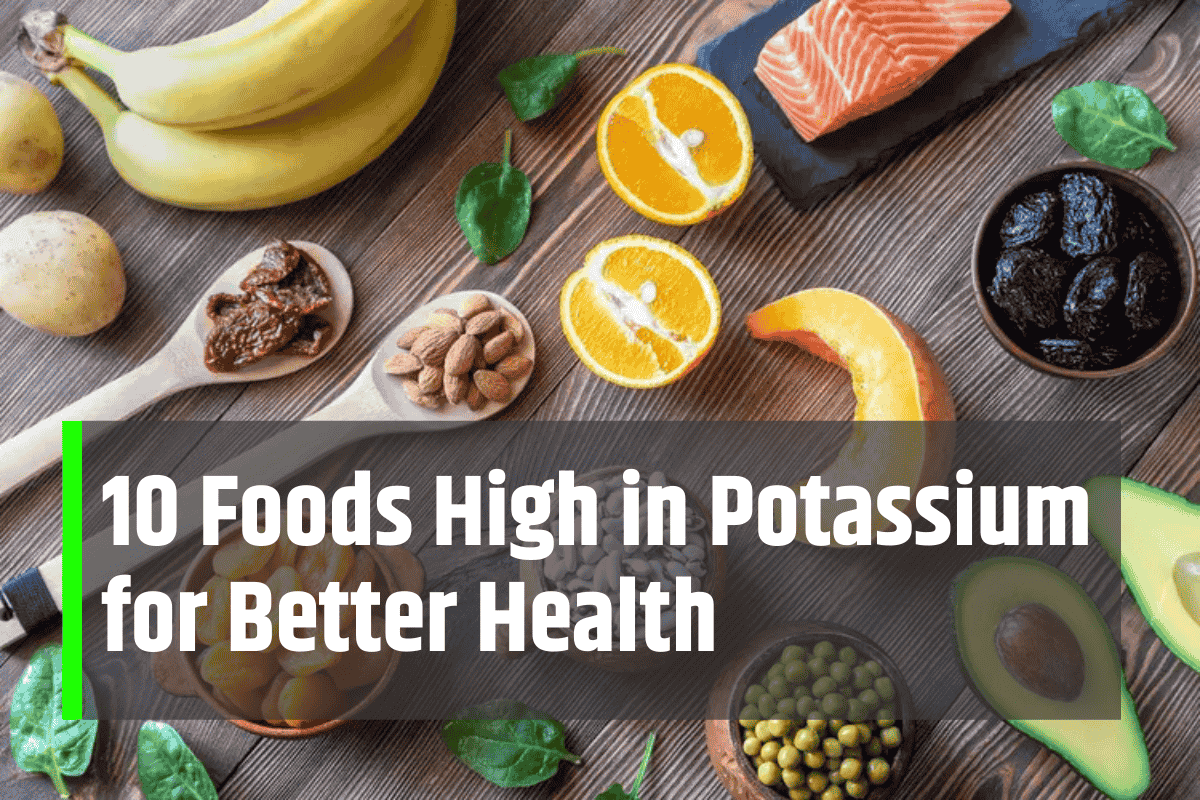
While bananas are often considered the go-to source for potassium, there are plenty of other delicious foods that are even richer in this essential nutrient. Here are 10 foods high in potassium, along with their health benefits.
1. Beans
Beans such as black, kidney, and white beans are all excellent sources of potassium. One cup of cooked white beans provides 1004 mg of potassium, which is about 21% of the daily value (DV). Beans also offer fiber, protein, and energy. You can add them to tacos, soups, stews, and salads for a nutritious meal.
2. Sweet Potatoes
Sweet potatoes are a healthy root vegetable rich in potassium. One medium baked sweet potato provides 542 mg of potassium, about 12% of the DV. They are also high in fiber, complex carbohydrates, and vitamins A and C. Roast, sauté, or mash sweet potatoes for a versatile and delicious dish.
3. Spinach
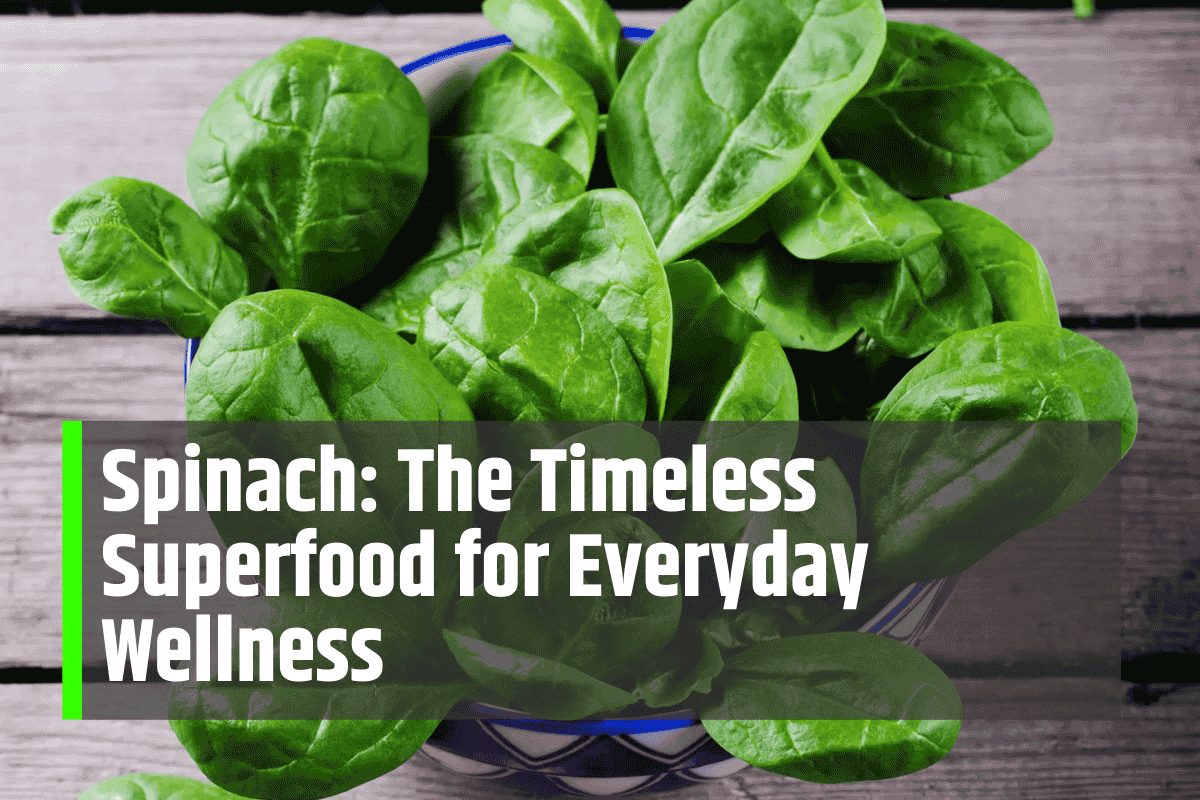
Spinach is a potassium powerhouse, with one cup of cooked spinach containing 540 mg of potassium (12% DV). It’s also packed with calcium, vitamin K, folate, and vitamin A. Enjoy spinach fresh in salads and sandwiches or steam it for soups and casseroles.
4. Watermelon
Watermelon is not only refreshing but also provides 592 mg of potassium per 2-cup serving, which is 13% of the DV. This hydrating fruit also contains vitamins A and C. It’s perfect for snacking, and you can serve it in wedges, cubes, or balls for a quick, healthy treat.
5. Coconut Water
Coconut water is naturally rich in potassium, offering 600 mg per cup (13% DV). It’s also packed with electrolytes like sodium and magnesium, making it an excellent hydration option after exercise. Choose unsweetened coconut water without added flavors or juices for a pure, refreshing drink.
6. Avocados
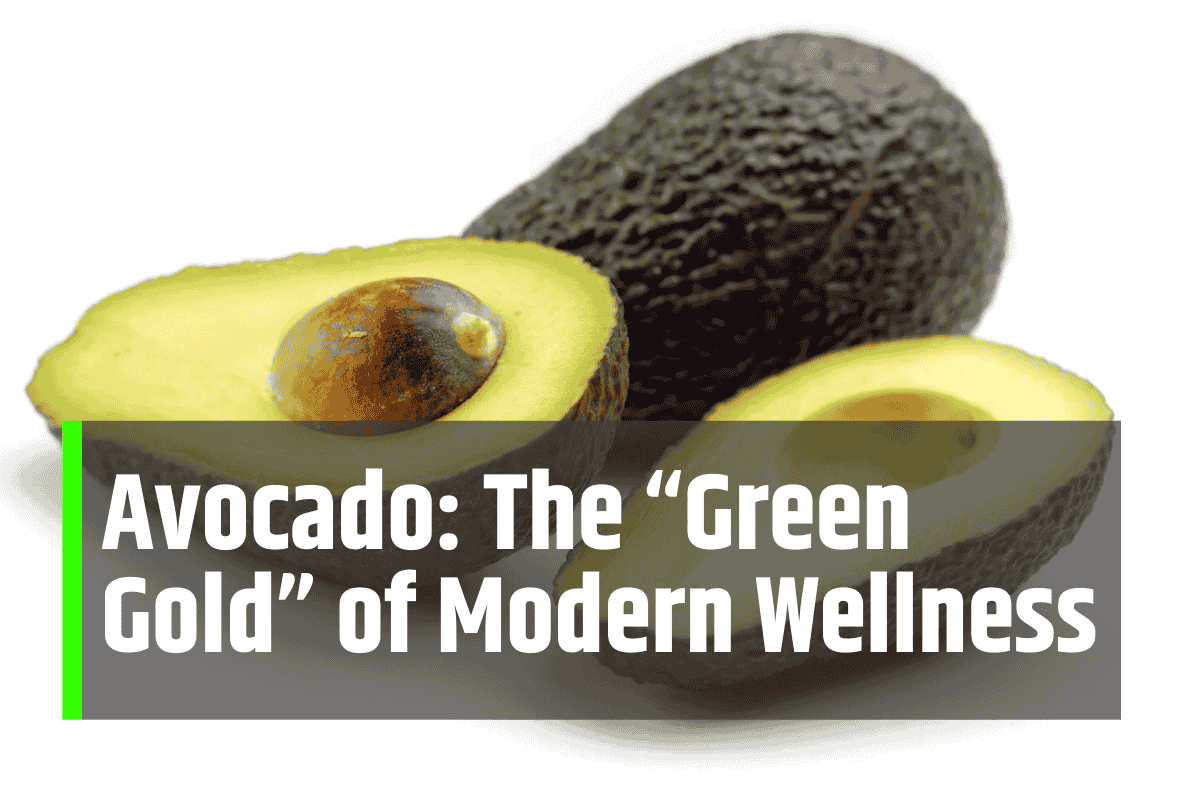
Avocados are a nutrient-dense fruit that provides 345 mg of potassium per half fruit, which is 7% of the DV. In addition to potassium, they offer healthy fats, folate, and vitamin K. Avocados can be added to sandwiches, salads, or mashed into guacamole for a delicious and nutritious boost.
7. Lentils
Lentils are a legume that provides a high amount of potassium. One cup of cooked lentils contains 731 mg of potassium (16% DV). They are also rich in iron, protein, fiber, and zinc. Lentils are versatile and can be added to soups, stews, and salads for a hearty, nutrient-packed meal.
8. Tomato Paste
Tomato paste is a concentrated source of potassium, offering 664 mg per 3 tablespoons (14% DV). It’s also rich in lycopene and vitamin C. Use tomato paste to enhance the flavor of soups, stews, or sauces, but choose options with little to no added sugar or salt for a healthier choice.
9. Butternut Squash
Butternut squash is a winter squash that’s high in potassium, with one cup of cooked squash containing 582 mg (12% DV). It also provides vitamins A and C. To bring out its natural sweetness, roast butternut squash, or blend it into soups and stews for a comforting, nutritious dish.
10. Potatoes
Potatoes, especially when cooked with the skin on, are an excellent source of potassium. One medium potato provides 620 mg of potassium (13% DV). For a healthier option, try roasting, boiling, or baking your potatoes, and top them with beans, vegetables, or salsa for a complete meal.
Benefits of Potassium
Getting enough potassium daily has numerous health benefits:
- Blood Pressure Regulation: Potassium helps manage blood pressure by counteracting the effects of sodium.
- Muscle Function: It supports proper muscle function and prevents cramps.
- Nerve Function: Potassium is essential for nerve signaling and brain function.
- Fluid Balance: It helps maintain fluid and electrolyte balance in the body.
Incorporating these potassium-rich foods into your diet is an easy and delicious way to support heart health, regulate blood pressure, and maintain muscle and nerve function. Try to enjoy a variety of these foods daily to reap the full benefits of potassium.
FAQs
What are the Best Sources of Potassium?
Some of the best sources of potassium include beans, sweet potatoes, spinach, watermelon, coconut water, and avocados. These foods provide high amounts of potassium, which helps regulate blood pressure and supports muscle and nerve function.
How Much Potassium Do I Need Each Day?
The recommended daily intake of potassium for an average adult is around 2,500 to 3,000 mg, but it can vary depending on age, gender, and health status. Eating potassium-rich foods daily can help ensure you meet your body’s needs.
Can Potassium Help with Blood Pressure?
Yes, potassium plays a crucial role in regulating blood pressure by counteracting the effects of sodium. A potassium-rich diet can help lower high blood pressure and reduce the risk of stroke and heart disease.
What Happens if I Don’t Get Enough Potassium?
A deficiency in potassium can lead to muscle weakness, cramps, fatigue, and digestive issues. In severe cases, it can result in arrhythmia (irregular heartbeats) and high blood pressure. It’s important to consume enough potassium through food or supplements if necessary.