Once a staple in the diets of Aztec warriors, chia seeds have re-emerged as a global health trend. From cafés in Los Angeles to organic shops in London, their popularity continues to rise. The global chia seed market is projected to grow by more than 22% between 2023 and 2030.
Nutrient Power in a Small Package
Despite their size, chia seeds are nutritional giants. Just two tablespoons provide fiber, protein, calcium, magnesium, and omega-3 fatty acids. In cities like Sydney and Toronto, sales of chia-based snacks are climbing as busy consumers seek foods that combine convenience with dense nutritional benefits.
1. Boosting Digestive Health
Fiber is a cornerstone of digestive wellness, and chia seeds deliver generously. When soaked, they form a gel-like consistency that supports regular bowel movements. Nutritionists in Chicago recommend chia for clients with constipation, noting that a single serving provides nearly half of the daily recommended fiber intake.
2. Supporting Heart Health
Heart health is strongly linked to omega-3 fatty acids. Research from the American Heart Association highlights their ability to reduce cardiovascular risk. Chia seeds offer a plant-based alternative to fish oil, appealing to vegetarians in Berlin and vegans in San Francisco who prioritize heart-friendly nutrition without animal products.
3. Aiding Weight Management
Weight concerns continue to rise in cities like Houston and London. Chia seeds contribute to satiety by absorbing liquid and expanding in the stomach, helping control appetite. Fitness trainers in Los Angeles often recommend chia pudding as a mid-day snack to reduce unnecessary cravings and support sustainable weight management.
4. Strengthening Bones
Bone health depends heavily on calcium, magnesium, and phosphorus. Gram for gram, chia seeds provide more calcium than milk, making them an excellent choice for bone density. In Tokyo and Paris, where osteoporosis is a growing issue, chia is gaining traction among health-conscious older adults seeking natural nutritional support.
5. Supplying Plant-Based Protein
Vegetarians and vegans often seek reliable protein sources. Chia seeds supply all nine essential amino acids, making them a complete protein. Athletes in Toronto and Melbourne frequently add chia to smoothies after workouts, using the seeds to repair muscles and enhance recovery without relying on animal-based protein supplements.
6. Enhancing Energy and Endurance
Aztec warriors relied on chia for stamina during long journeys. Today, endurance athletes in Boston and Amsterdam embrace “chia fresca,” a mix of chia seeds and water. Unlike sugary energy drinks, this natural fuel provides steady energy, supporting performance while avoiding the common energy crashes linked to processed alternatives.
7. Regulating Blood Sugar Levels
Diabetes is an increasing concern worldwide, especially in cities like Mumbai and Mexico City. Studies show chia seeds may help regulate blood sugar by slowing carbohydrate digestion. Dietitians often suggest incorporating chia into breakfasts, enabling clients to maintain steadier energy and improved glycemic control throughout the day.
8. A Versatile Culinary Ingredient
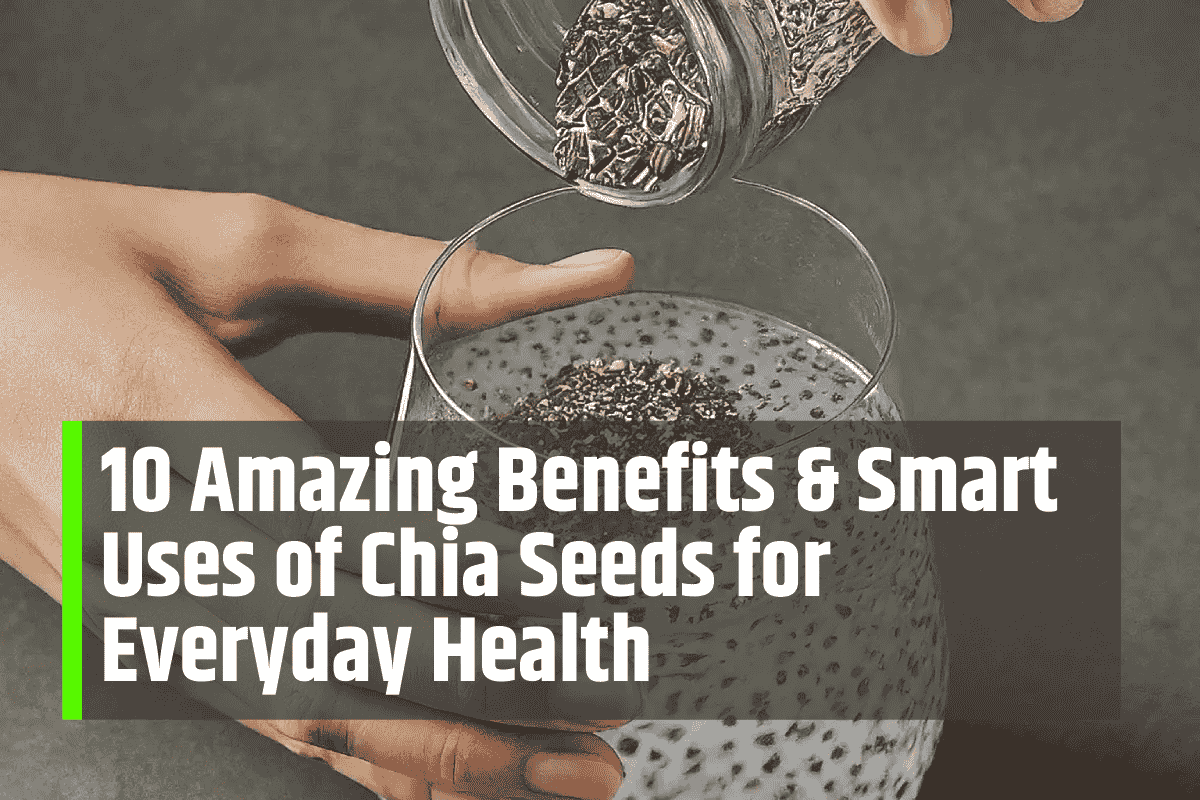
Chia seeds have found their way into countless recipes, from smoothies in New York to baked goods in London. Their ability to absorb 12 times their weight in liquid allows them to act as a thickener, topping, or egg substitute. This versatility makes them a favorite ingredient among innovative chefs.
9. Promoting Hydration Naturally
In hot environments such as Dubai and Phoenix, hydration is critical. Chia seeds absorb water and release a mucilaginous coating that helps retain fluid in the body. Athletes and outdoor workers use soaked chia to stay hydrated longer, making the seeds a natural solution for hydration challenges in extreme climates.
10. Beyond a Passing Trend
The global enthusiasm for chia seeds goes beyond temporary hype. Their unique combination of nutrients, health benefits, and culinary versatility has secured their place in modern diets. From smoothies and salads to baked snacks, they provide both flavor and function, meeting the demands of today’s health-conscious consumers.
From New York to Tokyo, chia seeds have established themselves as an essential superfood. They enhance digestion, support heart health, aid weight management, and strengthen bones, all while fitting seamlessly into diverse diets.
With science and tradition backing their value, chia seeds are more than a trend—they are a cornerstone of modern healthy living.
FAQs
Are chia seeds good for weight loss?
Yes, chia seeds are rich in fiber and expand in the stomach, helping you feel full longer and reducing unnecessary snacking. They support healthy weight management when combined with a balanced diet and exercise.
How many chia seeds should I eat daily?
Most nutritionists recommend about 1–2 tablespoons (15–30 grams) of chia seeds daily. This amount provides essential fiber, omega-3 fatty acids, and protein without excess calories.
Can I eat chia seeds without soaking?
Yes, chia seeds can be eaten raw, but soaking them makes digestion easier and enhances nutrient absorption. When soaked, they form a gel-like texture that supports hydration and digestive health.
Do chia seeds help control blood sugar?
Chia seeds may help stabilize blood sugar levels by slowing carbohydrate digestion. This makes them beneficial for people managing diabetes or aiming for steady energy levels.
What is the best way to use chia seeds?
Chia seeds can be added to smoothies, yogurt, oatmeal, baked goods, salads, or mixed into water to make chia fresca. Their versatility makes them easy to include in everyday meals.