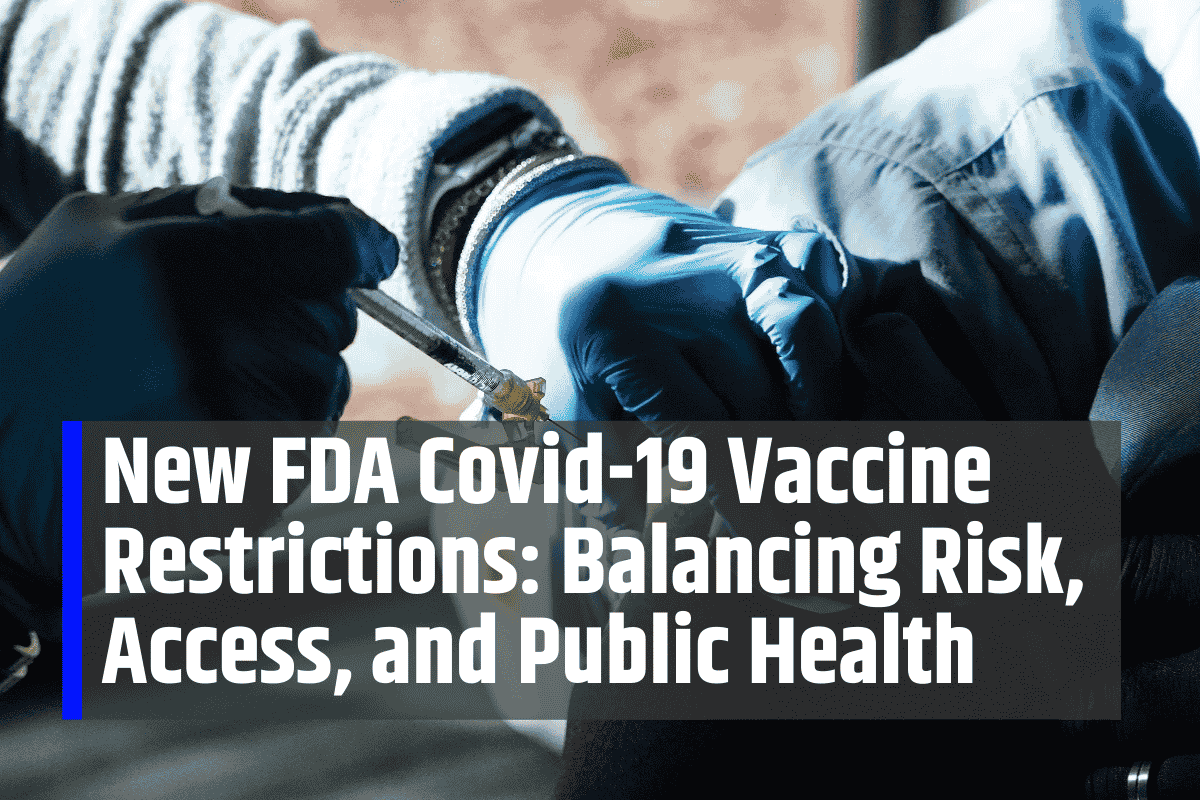
The US Food and Drug Administration (FDA) has approved updated Covid-19 vaccines. However, this year’s rollout marks a major shift. Unlike previous campaigns, widespread vaccination is no longer recommended.
Instead, eligibility has been restricted to older adults and younger individuals with specific health conditions that increase their vulnerability.
Focus on High-Risk Adults
According to the FDA, adults aged 65 and older remain the priority group. This demographic is at the highest risk of severe illness, hospitalization, and death from Covid-19.
Regulators argue that ensuring access for seniors provides the most significant public health benefit while reducing unnecessary vaccination in lower-risk groups.
Younger Adults Face New Barriers
For younger adults, eligibility is now limited. Only those with underlying medical conditions, such as chronic lung disease, weakened immunity, or cardiovascular problems, will qualify.
This restriction makes the upcoming fall and winter the first seasons without broad vaccination guidance from the federal government.
Policy Announcement by Robert F. Kennedy Jr.
Health secretary Robert F. Kennedy Jr. confirmed the policy changes in a post on Twitter/X. He emphasized that vaccine “mandates” under President Biden are rescinded.
According to Kennedy, vaccines will remain available but only for people at higher risk, aligning with the administration’s new narrower vaccination framework.
Vaccine Availability for Children
Kennedy also addressed pediatric eligibility. Moderna’s vaccine remains authorized for children six months and older. Pfizer’s vaccine is available for children over five, while Novavax is approved for adolescents over twelve.
Kennedy stressed that families should make vaccination decisions in consultation with their doctors, framing the approach as patient-driven.
Kennedy’s Controversial Role
Kennedy’s stance on vaccines has been controversial. Before entering government, he founded an anti-vaccine organization and frequently questioned vaccine safety despite scientific consensus.
Now, as health secretary, he has redirected federal policy, cutting $500 million from flu and Covid vaccination programs while promoting skepticism about the benefits of widespread immunization.
Internal FDA Tensions
Reports suggest significant internal disagreements within the FDA. Vinay Prasad, the administration’s top vaccine regulator, has overruled career scientists multiple times in recent months.
In several cases, he limited approvals, including for Moderna’s vaccine. These decisions highlight a growing divide between political leadership and long-standing scientific consensus within the agency.
Pfizer’s Vaccine for Young Children at Risk
Earlier this month, the Guardian revealed the FDA was considering not renewing authorization for Pfizer’s vaccine in children under five.
If approved, the change would remove the only remaining Covid-19 vaccine option for this age group, leaving infants and toddlers without access to protective immunization.
Declining Vaccination Rates
Even before the new restrictions, vaccination rates in the United States had dropped significantly. According to the Centers for Disease Control and Prevention (CDC), only 23% of adults and 13% of minors received Covid-19 vaccines in recent years. These figures reflect waning trust and reduced urgency surrounding vaccination campaigns.
Critics Warn of Risks to Children
Not everyone supports the FDA’s new approach. Critics argue that children remain vulnerable. Fatima Khan, co-founder of Protect Their Future, told CNN that limiting access is “anti-children and anti-science.”
She emphasized that infants and young children can experience severe illness, and vaccines remain a proven defense against hospitalization and long-term complications.
Public Health Debate Intensifies
The debate over vaccine policy underscores a broader struggle between science and politics. Proponents of restrictions argue that resources should focus on those most at risk.
Opponents insist that limiting access leaves millions unprotected and undermines trust in public health institutions. The controversy is likely to intensify as winter approaches.