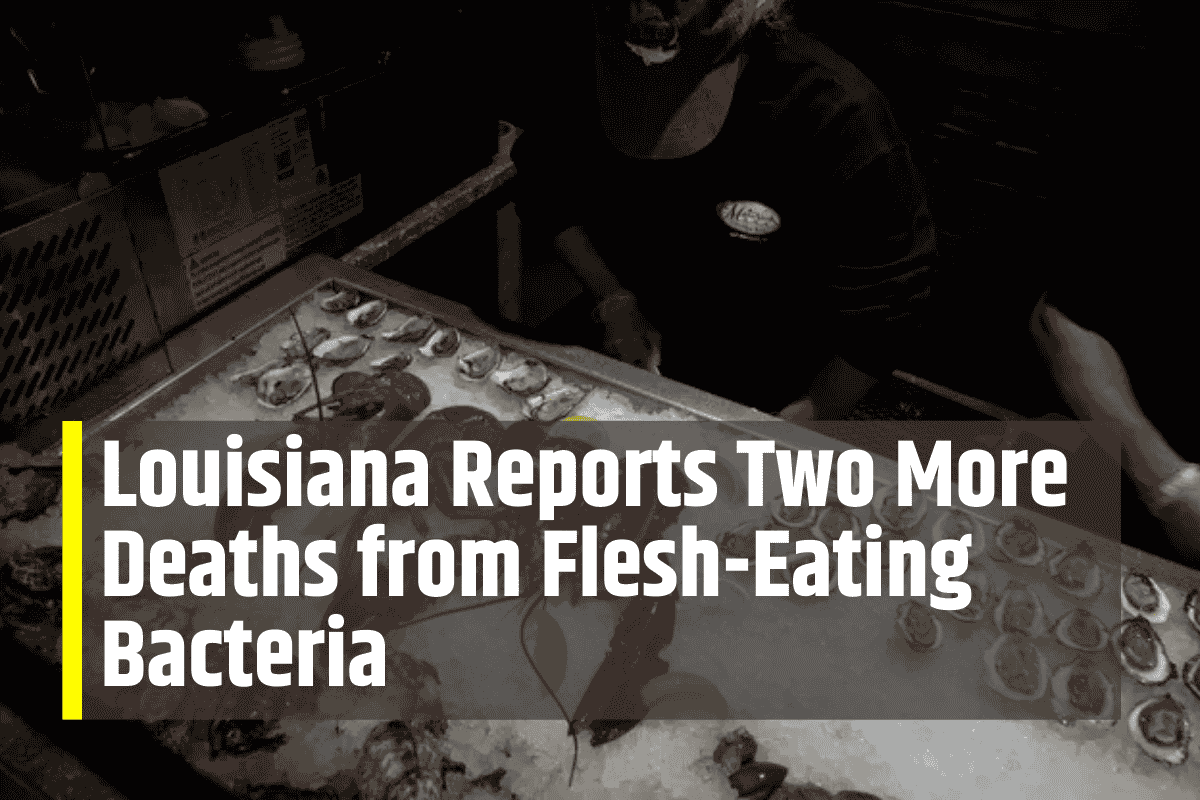
Louisiana health officials confirmed two additional deaths caused by Vibrio vulnificus, a flesh-eating bacteria found in warm coastal waters and seafood.
The latest fatalities bring the state’s death count to four this year, alongside 22 hospitalizations, according to the Louisiana Department of Health (DOH).
Details of the Recent Cases
The deaths were announced by Jennifer Armentor, DOH’s molluscan shellfish program administrator, during an August 26 meeting of the Louisiana Oyster Task Force. Officials said both victims died after consuming raw oysters. Their identities, including age and sex, were not released.
Outbreak Data in Louisiana
As of August 28, at least 22 Louisiana residents have been hospitalized with confirmed Vibrio vulnificus infections.
More than 80% of cases were linked to wound exposure in brackish or saltwater, while others were connected to seafood consumption. Four of those infections have resulted in death.
Tracking the Infections
An epidemiologist at the DOH monitors cases as part of Louisiana’s system for reportable infectious diseases. The data includes infections contracted through seafood as well as wound-related cases tied to water exposure, offering a more complete picture of how the bacteria spreads within coastal communities.
Seasonal and Environmental Factors
According to the CDC, Vibrio vulnificus thrives in warm coastal waters, especially between May and October. This seasonal pattern makes infections more common in summer months, when recreational water use and seafood consumption increase, raising risks for residents and tourists alike.
Public Warnings and Precautions
In late July, the Louisiana DOH issued a statewide alert urging residents to take preventive steps. These included avoiding raw oysters, ensuring seafood is fully cooked, and keeping open wounds away from coastal waters. Such measures remain critical as cases continue to rise into late summer.
Victims Linked to Raw Oysters
Officials confirmed that the latest fatalities included one Louisiana resident and one person visiting from another state. Both contracted the infection after eating raw oysters, a well-known source of exposure to Vibrio vulnificus. The deaths underscore ongoing risks tied to raw shellfish consumption.
Understanding Vibrio Vulnificus
Vibrio vulnificus is one of several Vibrio species that inhabit coastal waters. While relatively rare, it is the deadliest foodborne pathogen in the United States, responsible for more than 95% of seafood-related deaths, according to research published in the Delaware Journal of Public Health.
National Impact of Vibrio Infections
Each year, nearly 80,000 Americans develop Vibrio infections, often from contaminated seafood. The CDC estimates about 500 people are hospitalized annually, with approximately 100 fatalities.
Despite widespread exposure, severe cases are relatively uncommon, but they carry extremely high risks once infection occurs.
Why It’s Called Flesh-Eating
The term “flesh-eating” refers to the bacteria’s ability to kill surrounding tissues, not literally consume them.
If Vibrio vulnificus enters through a wound, it can cause necrotizing fasciitis, a life-threatening condition that destroys skin and muscle tissue. Patients often require intensive care or even amputation to stop its spread.
High Mortality Rates
Hospitalized cases of Vibrio vulnificus are particularly severe. About one in five patients dies, sometimes within 24 hours of the first symptoms. The speed and intensity of the illness make prevention essential, since treatment options are limited once infections advance.
Looking Ahead
Louisiana’s latest outbreak highlights the continued threat posed by Vibrio vulnificus. As summer temperatures sustain favorable conditions for the bacteria, health officials emphasize public vigilance.
Avoiding raw oysters and protecting wounds from coastal waters remain the most effective ways to reduce the risk of infection.