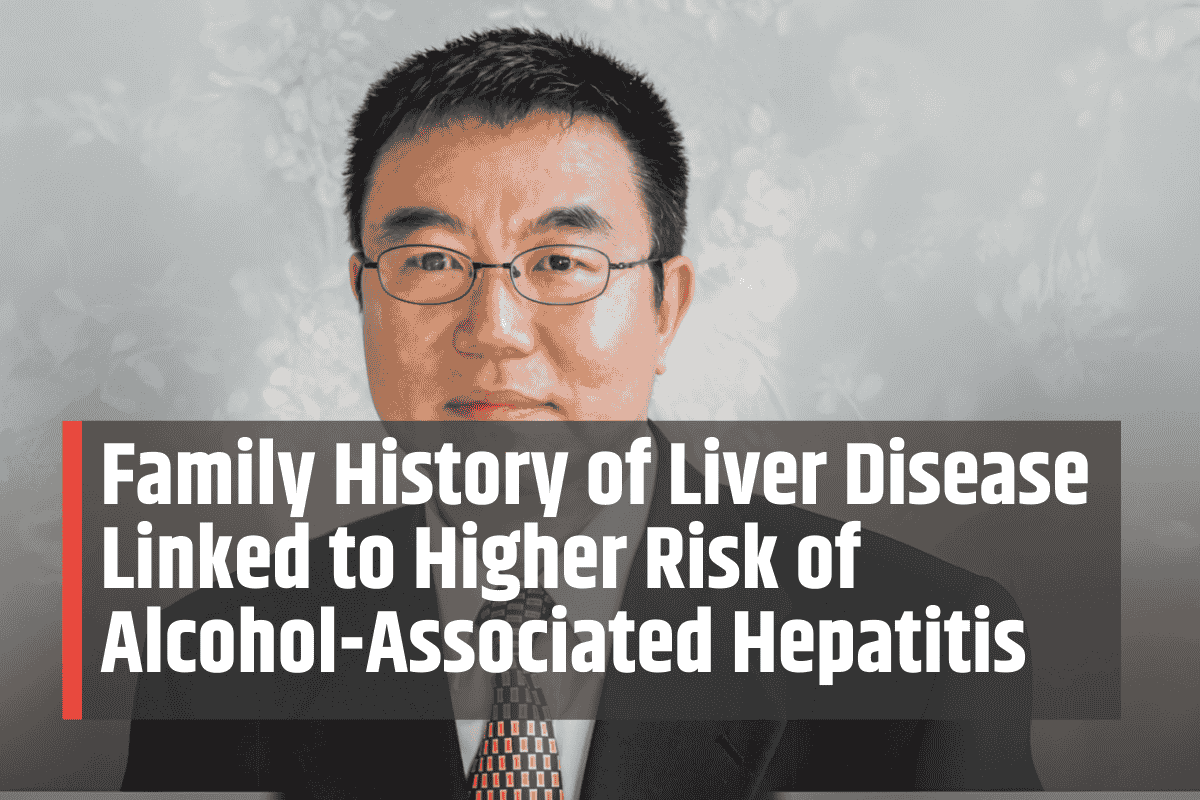
A new study from the Indiana University School of Medicine and Regenstrief Institute has found that heavy drinkers with a parent who died from liver disease face more than twice the risk of developing alcohol-associated hepatitis compared with those without that family history.
The Burden of Alcohol-Related Liver Disease
In the United States, nearly 20,000 people die from alcoholic liver disease each year. Alcohol-associated hepatitis represents one of the deadliest forms.
It is characterized by severe liver inflammation, high short-term mortality, and limited treatment options, making prevention especially critical for vulnerable individuals.
Investigating Familial Risk
The study explored how parental liver disease mortality influences both the likelihood of developing alcohol-associated hepatitis and outcomes for affected patients.
Unlike general family history of alcohol use disorder, it was specifically a parent’s death from liver disease that significantly increased risk among adult children who engaged in heavy drinking.
Study Design and Data Sources
Researchers analyzed two large, multicenter cohorts. These included patients diagnosed with alcohol-associated hepatitis and heavy drinkers without significant liver disease.
This design enabled comparisons that revealed the unique impact of parental liver disease mortality on susceptibility and outcomes, independent of broader patterns of alcohol use within families.
More Than Shared Drinking Patterns
While parental alcohol use disorder was common across both study groups, only parental death from liver disease emerged as a consistent risk factor. The findings suggest that genetic or familial biological factors may predispose certain individuals to develop severe liver damage, beyond environmental or behavioral influences.
Implications for Prevention
The study’s authors emphasize the importance of taking detailed family histories in clinical settings. Identifying individuals with parental liver disease mortality can guide early interventions, counseling, and targeted strategies to reduce alcohol consumption.
Prevention remains the most effective method to curb the devastating impact of alcohol-associated hepatitis.
Expert Perspectives
Dr. Wanzhu Tu, first author and IU School of Medicine professor, noted that alcohol-associated hepatitis lacks effective FDA-approved treatments. Corticosteroids may help some patients but increase infection risk, leaving many without viable options. “The best way to reduce mortality is prevention, especially in those at higher risk,” he explained.
Increased Mortality Risk in Patients
The research also showed that patients already diagnosed with alcohol-associated hepatitis who had a parent die from liver disease were more likely to die within 90 days of their own diagnosis.
This highlights the urgency of incorporating family history into both risk assessments and treatment decisions.
A Measurable Red Flag
According to Dr. Samer Gawrieh, corresponding author and IU professor, a parent’s death from liver disease should be seen as a clear, measurable warning sign.
For clinicians, discussing this history provides an opportunity to encourage abstinence, reinforce preventive strategies, and improve survival outcomes for patients facing heightened vulnerability.
Need for Further Research
The study underscores the need for deeper investigation into genetic and epigenetic factors underlying this familial risk.
Researchers suspect a combination of inherited susceptibility and environmental stressors may explain why certain heavy drinkers develop severe disease while others do not. Understanding these mechanisms could guide future therapies.
Published Findings and Funding
The study, titled “Parental liver disease mortality is associated with unfavorable outcomes in patients with alcohol-associated hepatitis,” appears in Hepatology Communications.
It was supported by the National Institutes of Health through the Alcoholic Hepatitis Network (AlcHepNet) and the Translational Research Evolving Alcoholic Hepatitis Treatment (TREAT) consortium.
Broader Implications for Public Health
By identifying family history of liver disease mortality as a critical risk marker, this research paves the way for earlier detection, more personalized prevention strategies, and improved patient counseling. For at-risk populations, the message is clear: awareness of family medical history can be lifesaving.