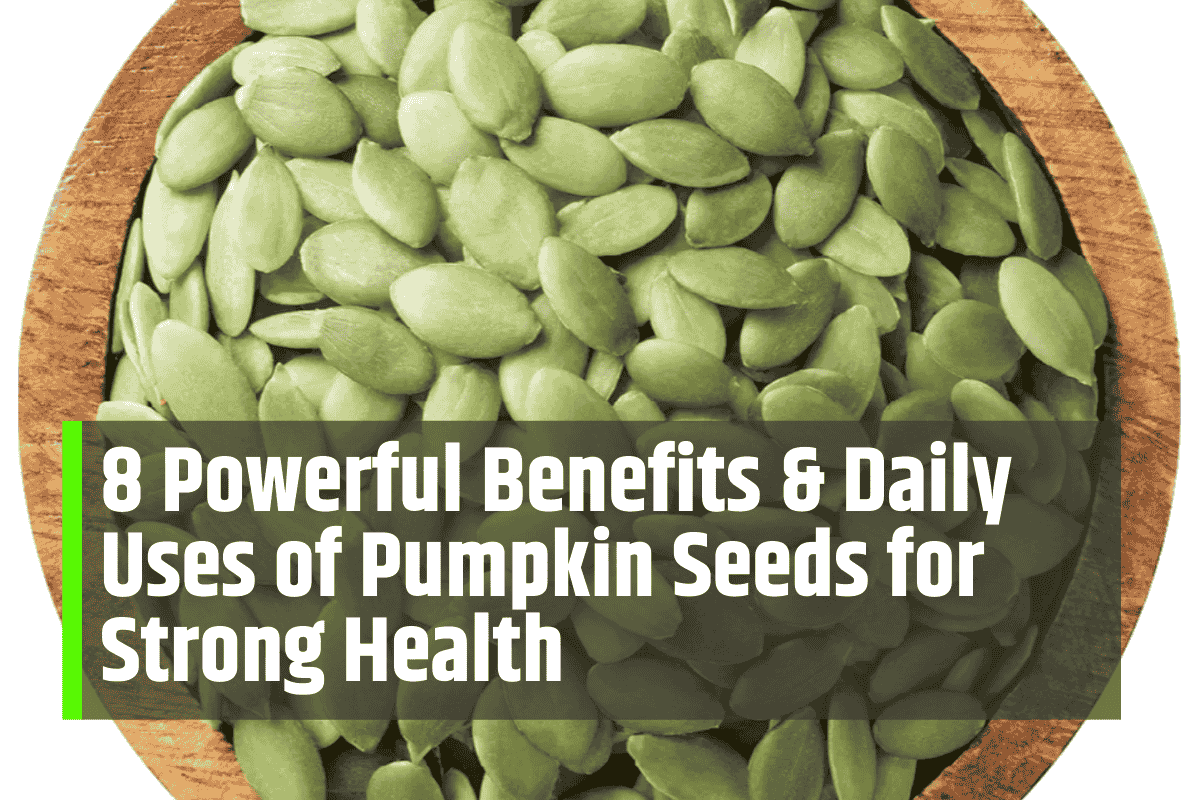
Pumpkin seeds, also called pepitas, have been enjoyed across cultures for centuries. From salads in New York cafés to roasted street snacks in Mumbai, they remain a versatile favorite. Packed with protein, healthy fats, and essential nutrients, pumpkin seeds are increasingly valued as a daily superfood for modern lifestyles.
1. A Plant-Based Protein Boost
For those following vegetarian or vegan diets, pumpkin seeds provide an excellent source of plant-based protein. Just a handful delivers around seven grams, supporting muscle repair and growth. In Berlin, where plant-based diets are thriving, pumpkin seeds are commonly found in energy bars, smoothies, and vegan-friendly recipes.
2. Supporting Cardiovascular Health
Pumpkin seeds are particularly rich in magnesium, a mineral essential for regulating blood pressure and supporting heart function. According to the American Heart Association, magnesium deficiency increases cardiovascular risk. In Tokyo, pumpkin seed oil is widely used as a heart-healthy cooking alternative, helping support circulation and reduce hypertension naturally.
3. Building Immune Strength
Zinc is a critical mineral for immunity, and pumpkin seeds are one of its richest natural sources. Zinc strengthens the body’s defenses, promotes cell repair, and speeds healing. In polluted metropolitan areas like Delhi, nutritionists encourage pumpkin seeds as a natural way to support immunity against infections and seasonal illnesses.
4. Promoting Restful Sleep
Busy urban living often disrupts sleep patterns, particularly in cities like London and New York. Pumpkin seeds contain tryptophan, an amino acid that supports serotonin and melatonin production. Studies from the National Institutes of Health show that tryptophan-rich foods help improve sleep quality, reduce insomnia, and encourage more restful nights.
5. Supporting Digestive Wellness
Pumpkin seeds are rich in dietary fiber, which is essential for healthy digestion and balanced gut bacteria. Fiber intake helps reduce constipation and regulate bowel movements. In Mediterranean cultures such as Athens, pumpkin seeds are traditionally baked into bread recipes, combining flavor with natural digestive health benefits.
6. Enhancing Hair and Skin Vitality
Antioxidants, zinc, and healthy fats in pumpkin seeds promote glowing skin and stronger hair. These nutrients reduce acne, support collagen production, and combat inflammation. In cities like Paris and Milan, pumpkin seed oil has even become a popular ingredient in natural beauty treatments designed to rejuvenate skin and strengthen hair.
7. Supporting Prostate and Bladder Health
Pumpkin seed extract has been studied for its positive impact on prostate health, particularly in reducing symptoms of benign prostatic hyperplasia (BPH). These seeds may also support healthy bladder function. In clinics across Chicago, men’s health specialists often recommend pumpkin seeds as a natural, nutrient-rich addition to prostate-friendly diets.
8. Boosting Energy Naturally
Beyond protein, pumpkin seeds contain iron, B vitamins, and magnesium, all essential for sustained energy. Athletes and active individuals in cities like Los Angeles use pumpkin seeds as part of their pre-workout or recovery snacks. Unlike processed energy products, pumpkin seeds provide clean, balanced fuel for daily activity.
A Global Culinary Favorite
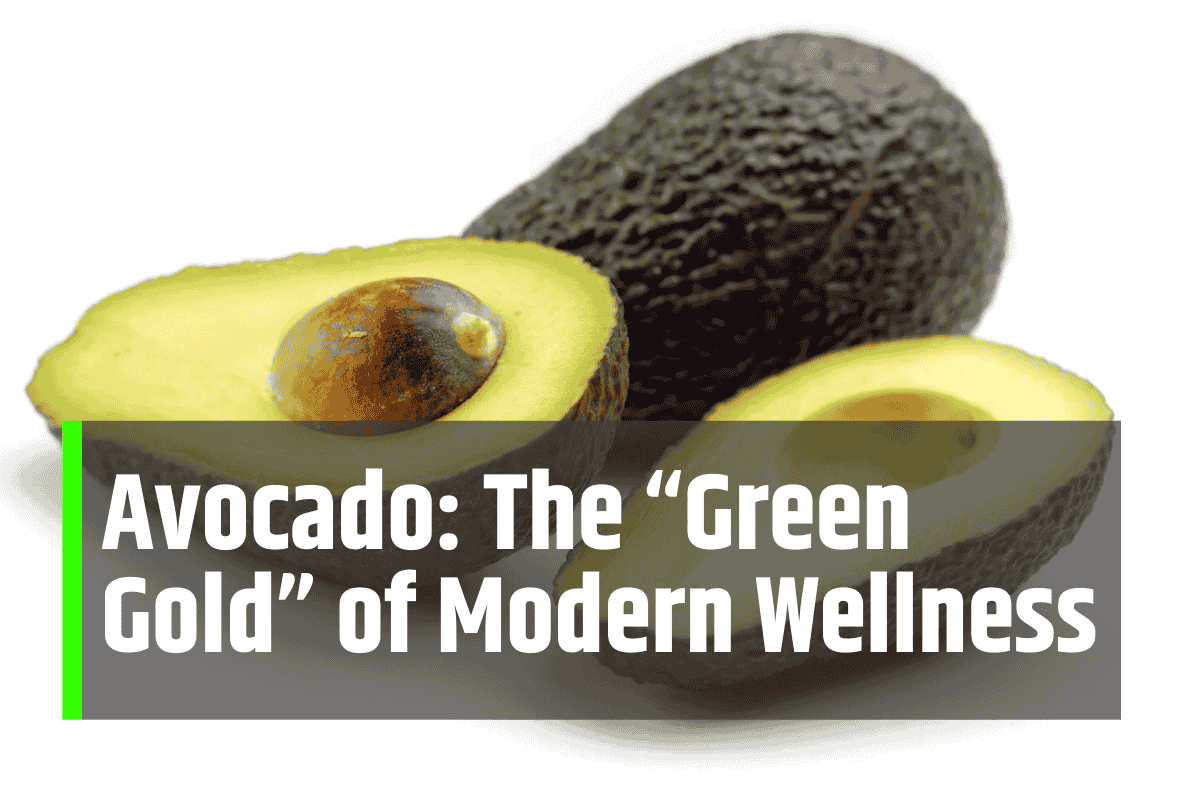
Cultural traditions highlight pumpkin seeds’ versatility. In Mexico City, roasted pepitas are eaten as snacks or blended into mole sauces. In Sydney, chefs sprinkle them over avocado toast for extra crunch.
Whether roasted, blended into smoothies, mixed into trail mixes, or baked into bread, pumpkin seeds complement diverse cuisines.
Affordable and Accessible Nutrition
One of pumpkin seeds’ biggest strengths is accessibility. Unlike many superfoods that require specialized sourcing, pumpkin seeds are inexpensive and widely available in supermarkets worldwide.
This affordability makes them an easy addition to daily diets, ensuring that people from all backgrounds can enjoy their numerous health benefits.
Pumpkin seeds may be small, but their health impact is remarkable. From boosting immunity to improving sleep, digestion, heart health, and even beauty, these nutrient-rich seeds are truly versatile.
Across global cities, their popularity continues to grow. Incorporating pumpkin seeds into your daily meals offers a simple, delicious path to long-term wellness.
FAQs
Are pumpkin seeds good for daily consumption?
Yes, pumpkin seeds are safe and beneficial for daily use. Eating a small handful provides essential nutrients like magnesium, zinc, protein, and healthy fats that support heart health, immunity, and digestion.
How many pumpkin seeds should I eat per day?
Nutritionists recommend around 1 ounce (about a handful or 28 grams) of pumpkin seeds per day. This amount is enough to supply key vitamins, minerals, and antioxidants without excess calories.
Do pumpkin seeds help with sleep?
Yes, pumpkin seeds contain tryptophan, an amino acid that helps the body produce melatonin and serotonin. These hormones regulate sleep cycles and can improve sleep quality when combined with a balanced diet.
Can pumpkin seeds improve skin and hair health?
Pumpkin seeds are rich in antioxidants, zinc, and essential fatty acids. These nutrients promote collagen production, fight acne, reduce hair loss, and contribute to glowing skin and stronger hair.
What are the best ways to eat pumpkin seeds?
Pumpkin seeds can be eaten raw, roasted, or sprouted. They can be added to smoothies, salads, trail mixes, baked goods, or sprinkled on top of soups and yogurt for extra crunch and nutrition.