Foods High in Vitamin K for Better Health: Vitamin K is essential for overall health, playing a crucial role in blood clotting, bone strength, and immune support. It comes in two main forms: Vitamin K1 (found in vegetables) and Vitamin K2 (found in animal products and fermented foods).
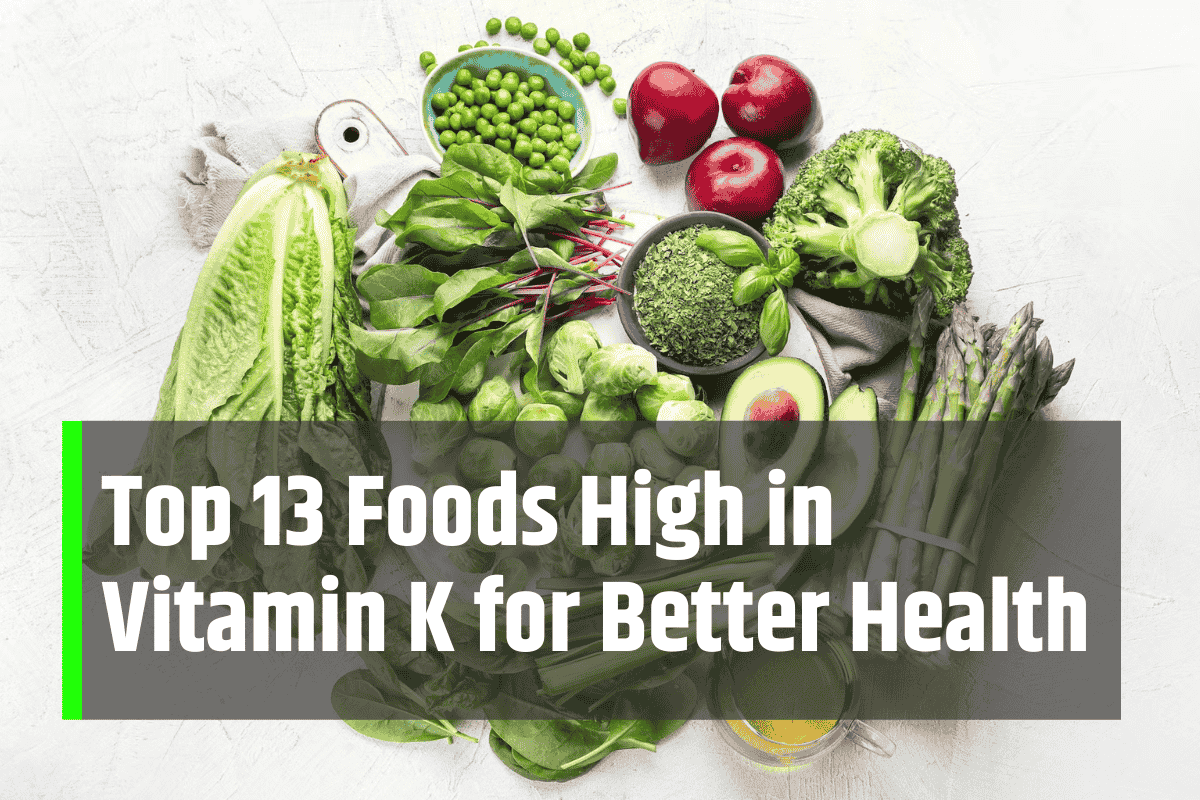
Here are 13 foods that are packed with vitamin K, offering both health benefits and delicious ways to improve your nutrition.
1. Kale and Leafy Greens
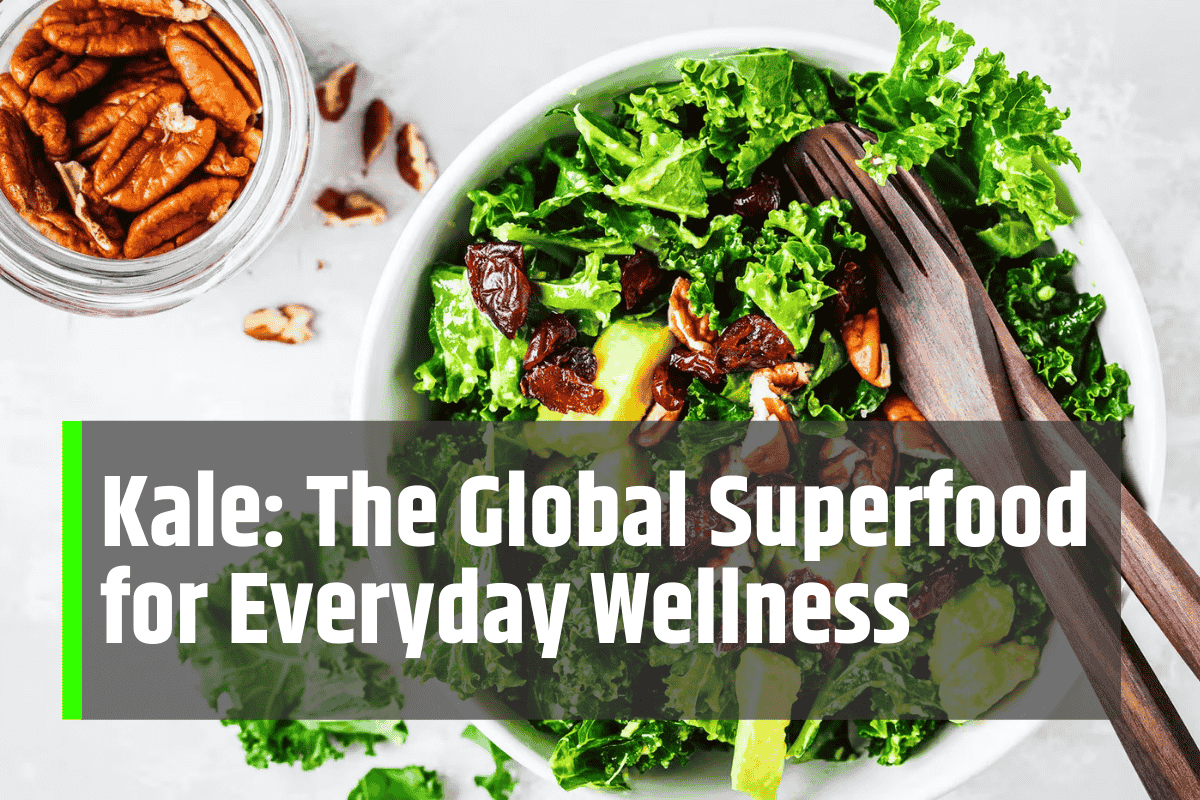
Kale and other leafy greens are packed with vitamin K. One cup of kale provides nearly seven times the daily recommended intake (DRI) of vitamin K.
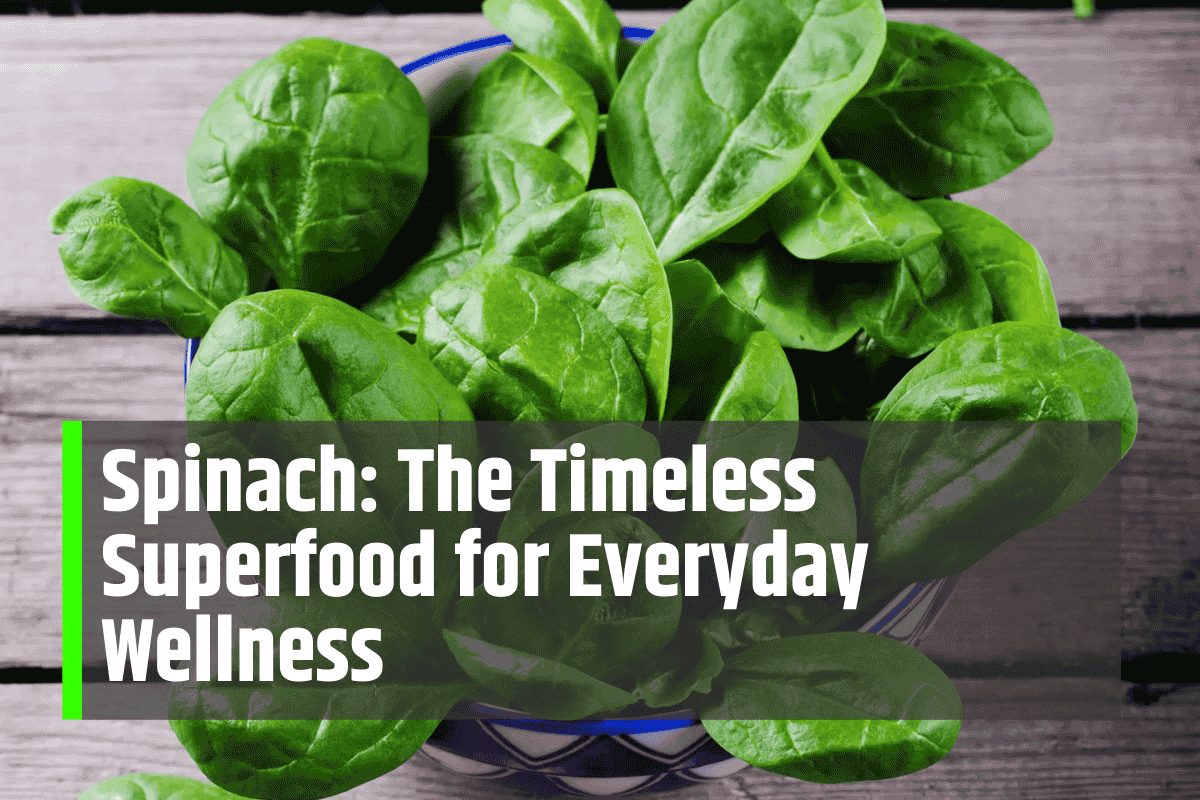
These greens also supply high amounts of vitamins A and C, as well as antioxidants that fight free radical damage. Other leafy greens like parsley, mustard greens, and spinach also exceed the DRI per cup.
2. Natto
Natto, a traditional Japanese fermented soybean dish, is an excellent source of Vitamin K2, which is important for bone health and osteoporosis prevention.
A single cup provides half the vitamin K DRI on a 2,000-calorie diet. Natto is also rich in protein, minerals like calcium and magnesium, and several B vitamins.
3. Brussels Sprouts
Brussels sprouts are not only low in calories but also high in vitamin K. Just half a cup of Brussels sprouts meets your daily vitamin K and C needs.
They also rank high on the ANDI (Aggregate Nutrient Density Index) scale, making them one of the healthiest foods due to their vitamin, mineral, and phytonutrient content.
4. Broccoli
Broccoli is a nutrient-dense vegetable that provides 116% of the vitamin K DRI in one cup. It is also rich in vitamins A, C, folate, potassium, and manganese. Eating broccoli raw or lightly steamed helps preserve its nutritional value, as boiling can cause nutrient loss.
5. Cabbage
Cabbage is another cruciferous vegetable rich in vitamin K, providing 85% of the DRI per cup. It’s also known for its potential to reduce the risk of type 2 diabetes. Cabbage contains antioxidants like flavonoids and phenols, which may lower cardiovascular disease risk.
6. Scallions
Scallions (or green onions) are high in vitamin K, with just two tablespoons providing over 30% of the daily requirement. They also contain beneficial amounts of vitamin A, making them a nutritious addition to meals.
7. Prunes
Prunes are known for their digestive benefits but also pack a punch when it comes to vitamin K. A half-cup serving of prunes provides 65% of the DRI for vitamin K.
They are rich in vitamins A, B6, and several minerals like potassium and magnesium, and may help prevent osteoporosis-related bone loss.
8. Fermented Dairy Products
Fermented dairy products, particularly full-fat varieties like blue cheese, Greek yogurt, and cottage cheese, are excellent sources of vitamin K2. Full-fat dairy products contain about 90% of dairy-based vitamin K2, making them beneficial for bone health and cardiovascular function.
9. Asparagus
Asparagus is a great source of vitamin K, providing 35% of the DRI in just four large spears. This vegetable also contains folate, B vitamins, and dietary fiber, which supports digestion and may aid in weight management.
10. Fresh and Dried Basil
Basil, especially when dried, is packed with vitamin K. Just two tablespoons of fresh chopped basil give 27% of the DRI, while one tablespoon of dried basil provides 96%. Both fresh and dried basil can be easily incorporated into various dishes for a nutrient boost.
11. Soybeans
Soybeans, particularly edamame, are rich in vitamin K, with one cup providing 52% of the DRI. Soybeans also contain important minerals like magnesium, potassium, and copper, and they may help reduce cholesterol and the risk of breast and prostate cancer.
12. Cucumber
Cucumbers, especially when eaten with the skin, are another excellent source of vitamin K. One cucumber provides 62% of the DRI, along with beneficial amounts of vitamin C, manganese, and potassium. Their high fiber and water content also support digestion and hydration.
13. Extra Virgin Olive Oil
Extra virgin olive oil is not only rich in heart-healthy fats but also contains vitamin K. One tablespoon provides 10% of the daily recommended intake.
Olive oil is also known for its anti-inflammatory, anti-cancer, and cognitive-boosting properties, making it a great addition to salads and other dishes.
FAQs
What are the Health Benefits of Turmeric?
Turmeric is a spice known for its health benefits, primarily due to its active compound curcumin. It has anti-inflammatory properties, supports immune health, may improve brain function, and may help prevent certain diseases like cancer and heart disease.
How Does Turmeric Help with Arthritis?
Turmeric’s active compound, curcumin, has powerful anti-inflammatory properties that may help ease joint pain and stiffness associated with arthritis. Some studies suggest it can be as effective as certain anti-inflammatory medications.
Can Turmeric Boost Immune Function?
Yes, turmeric can support immune health by modulating immune responses and reducing inflammation. Its antioxidant properties also protect against cell damage caused by free radicals, promoting overall immune function.
Is Turmeric Good for Brain Health?
Turmeric, specifically its compound curcumin, may improve brain health by increasing levels of brain-derived neurotrophic factor (BDNF), which supports brain cell function and helps with memory and learning.