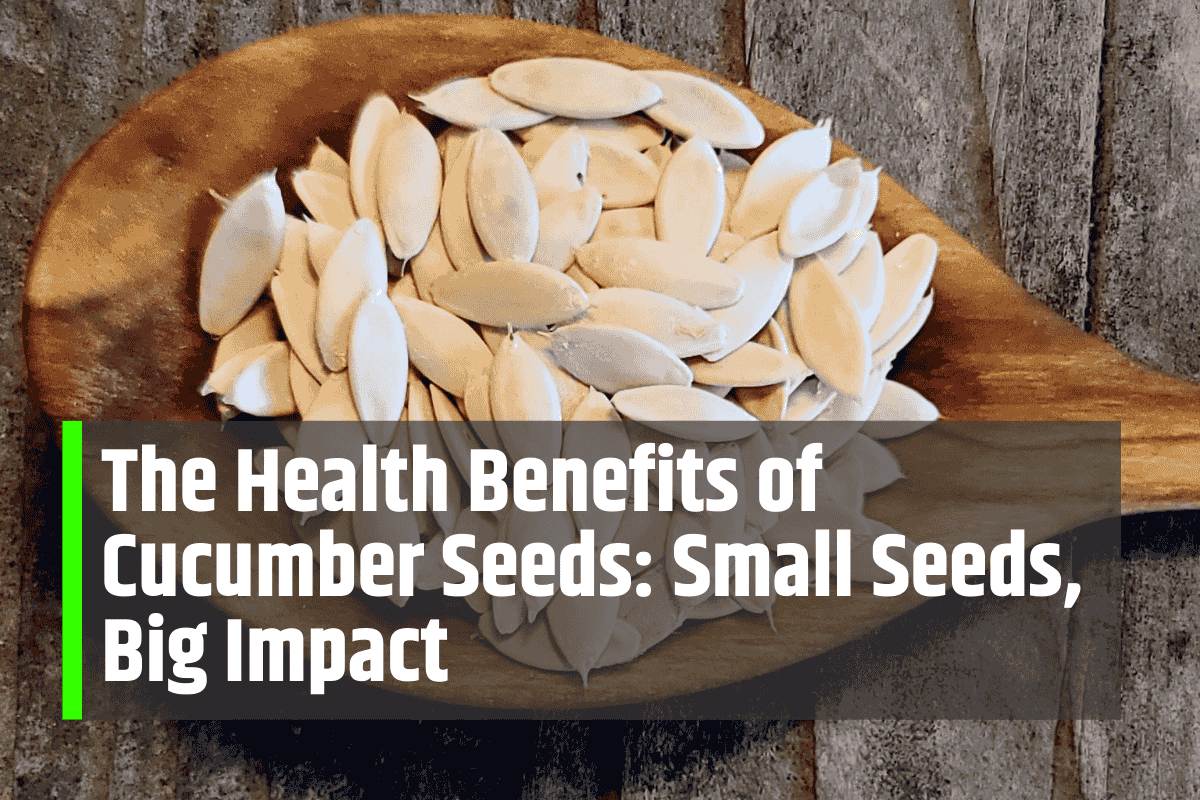
Watermelon is a popular fruit enjoyed worldwide, especially during the summer months, known for its hydrating properties and refreshing taste. However, many people discard the seeds, unaware of the nutritional power they contain.
Watermelon seeds are packed with essential nutrients that offer a wide range of health benefits. In this article, we explore five key advantages of watermelon seeds for better health.
Rich in Nutrients
Watermelon seeds are an excellent source of essential nutrients, including calcium, magnesium, potassium, iron, and zinc. These vitamins and minerals support various bodily functions:
- Calcium promotes strong bones and teeth.
- Magnesium supports muscle function and heart health.
- Potassium helps regulate blood pressure.
- Iron is vital for healthy red blood cell production.
- Zinc boosts the immune system.
Incorporating watermelon seeds into your meals, whether roasted, raw, or in smoothies, is an easy way to boost your nutrient intake and improve overall health.
Supports Heart Health
Watermelon seeds are rich in unsaturated fatty acids, particularly omega-3 and omega-6 fatty acids, which are essential for reducing bad cholesterol levels and supporting heart health. These healthy fats help prevent cardiovascular diseases like heart attacks and strokes.
Magnesium in watermelon seeds further contributes to a healthy heart by regulating blood pressure and supporting proper blood vessel function. Regular consumption of these seeds can promote long-term heart health, especially in regions where cardiovascular issues are prevalent.
Enhances Skin Health
Watermelon seeds are also beneficial for maintaining healthy, youthful skin. They contain lycopene and vitamin C, both of which have antioxidant and anti-inflammatory properties.
Lycopene helps protect the skin from UV damage, reduces inflammation, and stimulates collagen production, while vitamin C nourishes the skin and combats signs of aging.
In sunny regions with high sun exposure, such as Miami or Los Angeles, watermelon seeds can provide valuable protection for your skin, reducing the appearance of wrinkles and sun damage.
Improves Digestion
Watermelon seeds are high in fiber, essential for maintaining a healthy digestive system. The fiber content helps regulate bowel movements, prevent constipation, and improve digestion. Watermelon seeds also contain cucurbitacin, a compound that stimulates the production of digestive enzymes, further enhancing digestion.
For those with digestive issues, particularly in fast-paced cities like Los Angeles or Bangalore, watermelon seeds can help improve gut health and promote better nutrient absorption.
Boosts Immune Function
Packed with zinc and antioxidants, watermelon seeds play a key role in supporting the immune system. Zinc helps activate T-cells, which are crucial for fighting infections, while antioxidants protect the body from oxidative stress and free radical damage.
In densely populated cities like Berlin or Sydney, where exposure to pathogens is higher, watermelon seeds can help strengthen the immune system and reduce the frequency of illnesses.
How to Incorporate Watermelon Seeds into Your Diet
Incorporating watermelon seeds into your diet is simple and versatile:
- Roast them: Wash and dry the seeds, toss with olive oil and seasoning, then roast until crispy.
- Add to smoothies, granola, or trail mix for extra crunch.
- Grind them into powder: Sprinkle over salads, blend into smoothies, or mix into baked goods.
- Watermelon seed oil: Use for cooking or apply topically to moisturize skin.